Understanding Standing Seam Metal Roofing
In the world of roofing, standing seam metal roofing stands out as an innovative choice, particularly for modern architecture and low-slope designs. This roofing system, characterized by its vertical panels, not only offers a sleek aesthetic but also ensures superior performance in various weather conditions. Homeowners are increasingly recognizing the value of standing seam roofs, not just for their visual appeal but for their remarkable durability and energy efficiency. When exploring options, Ontario Roof Installers can provide comprehensive insights into this roofing solution, helping clients make informed decisions.
What is Standing Seam Metal Roofing?
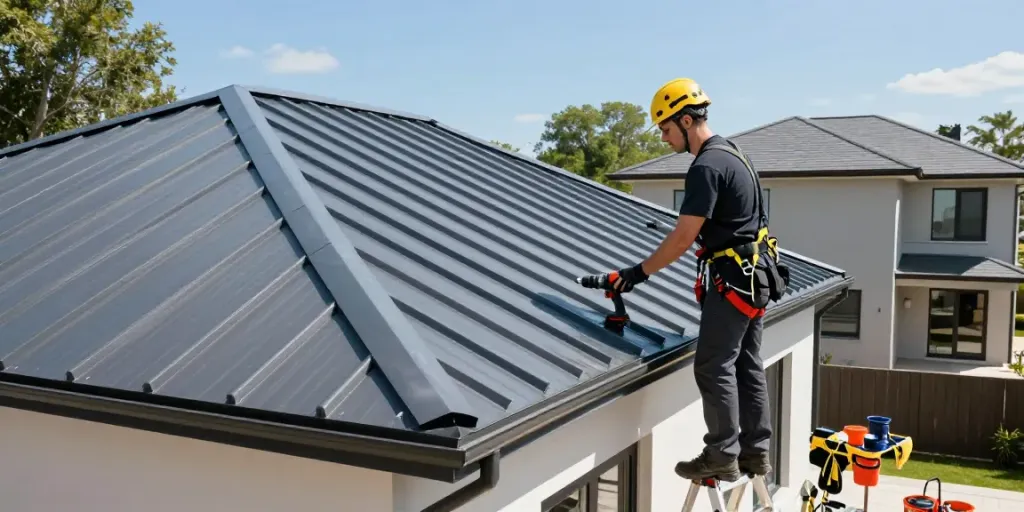
Standing seam metal roofing consists of interlocking vertical panels that are raised above the roof deck, creating a seam that stands above the plane of the roof. This design is not only aesthetic but functional, offering excellent water drainage due to the vertical orientation. The roofing is made from a variety of metals, including galvanized steel, aluminum, and copper, each providing unique characteristics and benefits. The panels are typically available in customizable colors and finishes, making them a versatile option for different architectural styles.
Benefits of Standing Seam Metal Roofs
- Durability: Standing seam roofs are designed to withstand harsh weather conditions, including heavy rain, snow, and wind. Their robust construction helps prevent leaks, providing peace of mind for homeowners.
- Energy Efficiency: The reflective properties of metal roofs help reduce cooling costs in the summer, while proper insulation aids in retaining warmth during winter.
- Aesthetic Appeal: The sleek lines of standing seam metal roofs complement modern designs while offering a timeless look that enhances curb appeal.
- Low Maintenance: Unlike traditional roofing materials, standing seam roofs require less maintenance over the years due to their robust nature and protective finishes.
Common Misconceptions
Many homeowners may have misconceptions about standing seam metal roofs, particularly regarding cost and installation complexity. While the upfront cost can be higher than traditional roofing materials, the long-term savings on maintenance and energy bills often offset the initial investment. Additionally, the installation of standing seam roofs can be straightforward when performed by experienced professionals.
Choosing the Right Ontario Roof Installers
Selecting the right roofing contractor is crucial to ensure that your standing seam metal roofing project is successful. With the variety of options available, it's essential to understand what to look for in a roofing contractor to protect your investment.
What to Look for in a Roofing Contractor
- Experience: Look for contractors with proven experience in installing standing seam metal roofs. Check their portfolio to assess the quality of their work.
- Certifications: Verify that the contractor is certified by reputable manufacturers to ensure they adhere to industry standards and practices.
- Insurance and Licensing: Ensure that the roofing contractor has the necessary licenses and insurance to protect you from liability in case of accidents during installation.
Questions to Ask Potential Installers
To make an informed decision, consider asking potential installers the following questions:
- How many standing seam roofs have you installed in the past year?
- Can you provide references from previous clients?
- What warranties do you offer on both materials and installation?
- What is your estimated timeline for the project completion?
Verifying Experience and Credentials
Before finalizing a contractor, it's essential to verify their experience and credentials. Check online reviews and ratings through platforms like Google, Yelp, or the Better Business Bureau to gauge customer satisfaction. Additionally, consider reaching out to previous clients to get firsthand accounts of their experiences.
Installation Process of Standing Seam Metal Roofing
The installation process of standing seam metal roofs involves several key stages to ensure their effectiveness and durability. Understanding these steps can help you prepare for your roofing project.
Preparation and Planning Stages
Before installation begins, thorough preparation is essential. This includes:
- Conducting a roof assessment to identify any underlying issues with the existing structure.
- Creating a detailed project plan that outlines timelines, material requirements, and labor costs.
- Obtaining necessary permits and ensuring compliance with local building codes.
Materials and Tools Required
The materials needed for installing a standing seam roof typically include:
- Metal panels (galvanized steel, aluminum, or copper)
- Insulation materials
- Fasteners and clips
- Sealants and underlayment
Tools may include metal shears, a roofing nail gun, safety gear, and scaffolding for elevated areas.
Understanding the Installation Techniques
Professional installers follow a specific technique to ensure the roof is watertight and secure. The steps generally involve:
- Installing the underlayment and ensuring it is adequately laid out to prevent moisture infiltration.
- Positioning panels starting from the bottom edge and securing them with hidden fasteners.
- Seaming panels together using a mechanical seamer, which enhances waterproofing.
Maintenance and Care for Metal Roofs
Caring for your standing seam metal roof is essential to prolong its lifespan and maintain its appearance. Establishing a maintenance plan can help you achieve this.
Routine Maintenance Practices
Routine maintenance should include:
- Inspecting the roof at least twice a year for signs of wear or damage.
- Clearing debris, such as leaves and branches, to prevent moisture accumulation.
- Checking the seams and fasteners for any signs of loosening or wear.
Common Issues and Solutions
Some common issues homeowners may encounter include:
- Punctures or dents: Often caused by heavy debris. Minor issues can be sealed with appropriate sealant.
- Corrosion: Can occur if the roof is not properly coated. Regular inspections can help catch this early.
Long-term Care for Your Investment
Consider scheduling professional assessments regularly to ensure your metal roof remains in top condition. This proactive approach can save you significant costs down the line by addressing issues before they escalate.
Future Trends in Roofing Solutions
As we look toward the future, several trends are emerging in the roofing industry that could influence your choices.
Innovations to Expect in 2026
Technological advancements in roofing materials and installation techniques promise to enhance durability and energy efficiency. Expect innovations such as solar-integrated roofing systems and advanced coatings that improve weather resistance.
The Role of Sustainability in Roofing
With an increasing focus on sustainability, many roofing companies are developing environmentally friendly products. This includes using recycled materials and manufacturing processes that minimize environmental impact.
Emerging Technologies in Metal Roofing
Emerging technologies, such as smart roofing systems equipped with sensors, are set to revolutionize the industry. These systems can monitor roof conditions in real time, providing homeowners with data that enhances maintenance and extends the roof's lifespan.
How much does it cost to replace a 2000 sq ft roof in Ontario?
The cost of replacing a 2000 sq ft roof in Ontario can vary widely based on materials and labor. Generally, standing seam metal roofing can range from $15,000 to $30,000, depending on the complexity of the installation and the materials selected.
What is the 25% rule for roofing?
The 25% rule refers to the guideline where no more than 25% of a roof’s surface area should be replaced at a given time. This rule is essential to maintain the integrity of the roof structure and prevent uneven wear.
Is $30,000 too much for a roof?
While $30,000 may seem steep for a roofing project, it's essential to consider the long-term benefits of a high-quality installation. Investing in a durable roof can ultimately save you money in repairs and energy costs over its lifetime.
What are the signs of roof damage?
Be on the lookout for signs such as:
- Visible sagging in the roof structure.
- Water stains on ceilings or walls inside your home.
- Missing or damaged shingles or panels.
How do I choose roofing colors?
When selecting roofing colors, consider factors such as your home’s style, surrounding environment, and climate. Lighter colors reflect sunlight and keep your home cooler, while darker colors absorb heat, which may be beneficial in colder climates.