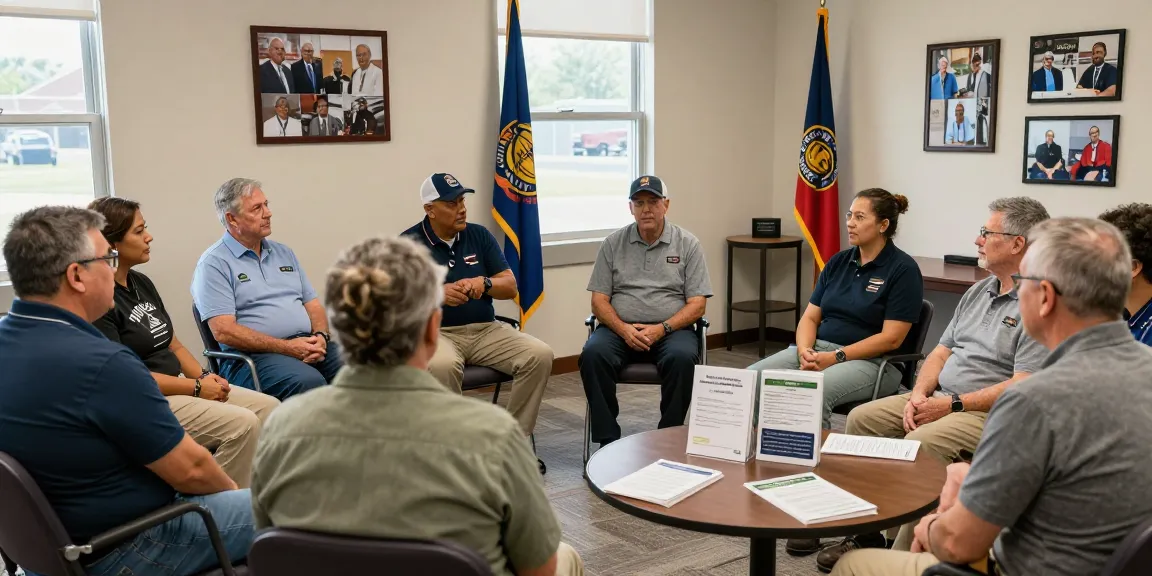
Understanding Veteran Advocacy Services
Veterans often face a myriad of challenges when reintegrating into civilian life, ranging from mental health issues to navigating the bureaucracies of veteran benefits. Veteran advocacy services play a crucial role in assisting these heroes by providing guidance, resources, and support tailored to their unique needs. This article explores the essence of these services, their evolving nature, and their significance in the lives of veterans.
What Are Veteran Advocacy Services?
Veteran advocacy services encompass a range of support mechanisms designed to help veterans access benefits, services, and resources. These services can include one-on-one counseling, assistance in filing claims for benefits, and connecting veterans with community resources such as healthcare, housing, and employment opportunities. Advocates may work for non-profit organizations, government agencies, or private firms, all focused on ensuring that veterans receive the care and support they deserve.
Key Benefits of Advocate Programs for Veterans
- Expert Guidance: Navigating the complex landscape of veteran benefits can be daunting. Advocacy programs provide veterans with informed guidance to simplify the claims process.
- Accessibility: Advocates help bridge the gap between veterans and the resources available through federal and state programs, ensuring timely access to necessary services.
- Empowerment: Through education and support, advocacy services empower veterans to take charge of their health and well-being, fostering a sense of autonomy.
- Community Connection: Advocacy services often create networks for veterans, helping them connect with peers and resources that may lead to social support and friendship.
Common Challenges Faced by Veterans Seeking Help
Despite the availability of advocacy services, many veterans encounter significant barriers. These can include a lack of awareness about available resources, complex eligibility requirements, and, in some cases, inadequate mental health support. Additionally, societal stigmas regarding mental health can deter veterans from seeking the assistance they need, further complicating their transition to civilian life.
The Evolution of Veteran Advocacy Services
Historical Context of Veteran Advocacy
The landscape of veteran advocacy has changed substantially over the decades. Initially, advocacy services were relatively informal, often relying on community goodwill or local organizations. The establishment of the Department of Veterans Affairs (VA) in 1930 marked a significant shift, formalizing support mechanisms and creating structured programs for veterans. However, the evolution did not stop there; demographic changes, such as the influx of veterans from multiple recent conflicts, have necessitated further adaptations in advocacy approaches.
Major Changes in Policies Affecting Veteran Services
In recent years, significant legislative changes have reshaped the veteran advocacy landscape. Legislation such as the VA MISSION Act and the Blue Water Navy Vietnam Veterans Act has expanded eligibility and access to benefits for many veterans who were previously underserved. These changes reflect an understanding that advocacy must adapt to meet the evolving needs of veterans returning from modern conflicts.
Role of Technology in Transforming Advocacy Services
The advent of technology has revolutionized how veteran advocacy services operate. Digital platforms now allow veterans to file claims and access resources with greater ease than ever before. Virtual support groups and telehealth services have also emerged, providing veterans with immediate access to mental health support regardless of location. These innovations are critical in breaking down barriers and improving engagement among veterans.
Best Practices for Effective Veteran Advocacy
Strategies for Engaging Veterans and Building Trust
Engagement is essential for successful advocacy. Building trust requires advocates to demonstrate empathy, understanding, and respect for the unique experiences of veterans. Programs are increasingly incorporating peer-to-peer support models, allowing veterans to connect with those who have similar backgrounds, which fosters trust and a sense of community.
Creating Accessible Resources for Diverse Veteran Needs
Veterans are not a monolithic group; they come from varying backgrounds and have different needs. Effective advocacy programs must tailor resources to meet these diverse requirements, whether through bilingual support services, materials that address specific cultural concerns, or resources for veterans with disabilities. Accessibility is not just about availability but also about inclusivity.
Successful Case Studies in Veteran Advocacy
Case studies can offer valuable insights into effective advocacy practices. For instance, the Wounded Warrior Project has significantly impacted veterans’ mental health by providing tailored programs that address trauma and offer wellness initiatives. By sharing success stories, advocacy programs can inspire others and demonstrate the effectiveness of their services.
Measuring the Impact of Advocacy Programs
Key Performance Indicators for Veteran Services
Measuring the success of advocacy programs is crucial for continuous improvement. Key performance indicators (KPIs) may include the number of veterans served, the success rate of claims processed, and feedback from participants on their satisfaction with services. These metrics help organizations gauge effectiveness and identify areas for enhancement.
Feedback Mechanisms for Continuous Improvement
Veteran feedback is fundamental to the evolution of advocacy services. Implementing surveys, focus groups, and direct outreach can help organizations understand the veterans’ perspectives and experiences better. Continuous feedback loops ensure that advocacy programs remain responsive to the changing needs of veterans.
Evaluating Outcomes Against Veteran Needs
Ultimately, advocacy services must deliver measurable outcomes that align with veterans’ needs. This includes not only the successful facilitation of benefits but also improved mental health, reintegration success, and overall life satisfaction. Regular evaluations against these outcomes help maintain accountability in advocacy services.
Future Trends in Veteran Advocacy Services
Emerging Developments to Watch in 2026 and Beyond
As we look towards 2026, several trends are emerging in veteran advocacy services. Increased emphasis on mental health support, innovative telehealth solutions, and the integration of artificial intelligence in support services are just a few directions that advocacy is heading. These advancements promise to enhance service delivery and improve veteran engagement.
Predicted Changes in Funding and Resource Allocation
The future of veteran advocacy will likely see shifts in funding and resource allocation. With growing recognition of the importance of mental health services, we can expect more resources directed toward programs that address these critical needs. Additionally, advocacy organizations may need to diversify funding streams to remain sustainable amidst changing political landscapes.
Expert Insights on the Future of Veteran Support Services
Experts predict that the integration of technology will profoundly impact the availability and accessibility of veteran support services. The rise of mobile applications allowing for direct communication with advocates and streamlined claims processes may dramatically improve the veteran experience. Continued collaboration between public service organizations and private sectors is also anticipated to provide holistic support.
What are the roles of veteran advocates?
Veteran advocates serve multiple roles including counselors, educators, and navigators. They help veterans understand their rights and benefits while providing emotional support and facilitating access to necessary services. Their multifaceted role is integral to the successful navigation of the often-complex veteran service landscape.
How can veterans access advocacy services?
Accessing advocacy services can be done through various channels. Veterans can reach out via local veteran service organizations, government agencies, and online platforms dedicated to veteran services. Many organizations provide hotlines as well as online resources that outline eligibility and the process for accessing support.
What are common misconceptions about veteran advocacy?
One common misconception is that all veterans automatically know how to access their benefits. In reality, many are unaware of the programs available to them or how to navigate the intricacies of the claims process. Furthermore, there is often a misunderstanding that veterans are not entitled to comprehensive mental health support, which is critical for many.
What impact does advocacy have on veteran well-being?
Advocacy has a profound impact on veteran well-being by providing essential support that can lead to improved mental health, stability, and quality of life. Through access to resources, veterans can find community, reduce isolation, and improve their overall sense of purpose.
How have veteran advocacy services changed since 2020?
Since 2020, there has been a significant shift towards digital services in veteran advocacy. The COVID-19 pandemic accelerated the adoption of telehealth and virtual support, making it easier for veterans to receive assistance when in-person visits were restricted. Additionally, there has been a greater focus on mental health as a vital component of veteran support services.