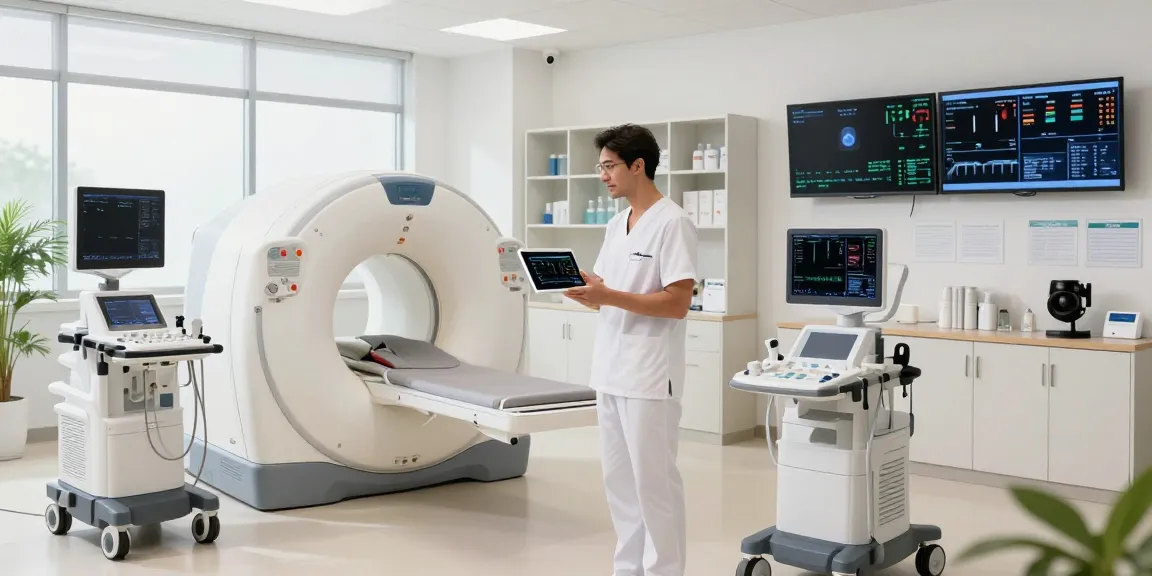
Understanding the Importance of Medical Equipment in Patient Care
In today’s healthcare landscape, the caliber of medical equipment significantly influences patient outcomes and overall trust in healthcare institutions. Medical equipment serves as the backbone of modern diagnosis, treatment, and monitoring, enabling healthcare providers to deliver safe and effective care. In Edmonton, the range of available medical equipment edmonton is vast, reflecting the community’s commitment to quality healthcare. With advancements in technology and increasing patient expectations, it is crucial for healthcare providers to remain informed about the equipment they use and ensure it is in optimal condition.
The Role of Medical Equipment in Modern Healthcare
The role of medical equipment transcends basic functionality; it is integral in ensuring timely and accurate diagnosis and treatment. From life-saving devices like ventilators to diagnostic machines such as MRI and CT scanners, medical equipment forms the cornerstone of effective patient care. Healthcare facilities rely on this technology to monitor patients’ health, administer therapies, and support complex surgical procedures. Furthermore, advancements in telemedicine have enhanced the role of medical equipment by incorporating remote monitoring devices, thereby extending care beyond the walls of healthcare facilities.
Common Misconceptions About Medical Equipment Efficiency
Many healthcare professionals hold misconceptions regarding the efficiency of medical equipment. One common belief is that newer technology always guarantees better outcomes. However, the effectiveness of equipment significantly depends on proper usage and integration into clinical workflows. Additionally, the notion that all equipment failures stem from mechanical problems is misleading; often, insufficient training and lack of adherence to operational protocols contribute to inefficiencies. It is essential to recognize that while technology plays a vital role, human factors are equally important in determining the overall effectiveness of medical equipment.
Impact of Equipment Quality on Patient Outcomes
High-quality medical equipment is directly correlated with improved patient outcomes. Research indicates that hospitals equipped with advanced technology and well-maintained devices report higher survival rates and reduced complication rates. When healthcare providers prioritize investing in reliable medical equipment, they enhance their ability to provide accurate diagnoses, effective treatments, and ultimately, a higher standard of care. Additionally, patient perceptions of quality care are often influenced by the technology available, making it crucial for healthcare facilities to maintain and upgrade their equipment regularly.
Identifying Poor Practices in Medical Equipment Handling
Despite the importance of proper medical equipment management, several poor practices persist in many healthcare settings that can jeopardize patient safety. Identifying these practices is the first step towards fostering a culture of safety and efficiency.
Neglecting Maintenance: Consequences for Safety
Neglecting regular maintenance poses severe risks to patient safety. Equipment that is not routinely checked can malfunction, leading to critical failures during procedures or treatments. For example, a malfunctioning defibrillator can result in catastrophic consequences during a cardiac emergency. Healthcare facilities must implement stringent maintenance schedules and ensure that all staff are trained to recognize signs of equipment wear and tear.
Inadequate Training: Risks for Staff and Patients
Inadequate training on medical equipment can lead to improper usage, resulting in compromised patient safety. Staff must be well-versed in the operation of various devices to avoid mistakes that could harm patients. Regular training sessions and simulations should be a part of the onboarding process and ongoing education for healthcare professionals. Emphasizing the importance of training fosters a culture of competence and confidence among staff.
Improper Usage: Common Mistakes to Avoid
Common mistakes in equipment usage often stem from misunderstandings or lack of familiarity with the devices. For instance, using a ventilator without following the manufacturer’s guidelines can lead to inadequate patient ventilation. It is critical to encourage open communication among staff regarding equipment use and provide access to updated operational manuals that can guide them through best practices.
Strategies for Improving Medical Equipment Management
Improving medical equipment management within healthcare facilities is essential for ensuring patient safety and operational efficiency. Implementing effective strategies can lead to better outcomes and enhanced trust from patients.
Best Practices for Equipment Maintenance and Upkeep
Establishing best practices for equipment maintenance is vital. Facilities should adopt a proactive maintenance schedule that includes regular inspections, calibrations, and repairs as necessary. Utilizing a tracking system for maintenance schedules can help facilities stay organized and ensure that equipment is always in optimal condition. Additionally, maintaining a log of repairs can assist in identifying recurring issues that may need more significant attention.
Effective Staff Training Programs for Medical Equipment Use
Implementing comprehensive training programs is crucial in equipping staff with the knowledge and skills necessary for safe equipment usage. Training should cover the operational aspects of equipment as well as troubleshooting protocols. Regular refresher courses can also keep staff updated on the latest advancements in technology and best practices for equipment handling.
Utilizing Technology for Better Equipment Management
Leveraging technology in equipment management can significantly enhance efficiency. Implementing inventory management software can help track the status and location of medical equipment, reducing the likelihood of loss or misplacement. Additionally, using data analytics to monitor equipment performance can identify areas for improvement and facilitate timely maintenance interventions.
Case Studies: Success Stories in Medical Equipment Optimization
Examining successful case studies of hospitals that have optimized their medical equipment usage can provide valuable insights and inspiration for other healthcare facilities.
Examples of Hospitals Improving Patient Trust
Hospitals that have invested in upgrading their medical equipment and enhancing training programs often see a marked improvement in patient trust. For instance, a hospital in Edmonton implemented a program to regularly update their imaging equipment, which not only improved diagnostic accuracy but also reduced wait times for patients. As a result, patient satisfaction ratings surged, demonstrating the direct correlation between equipment quality and patient trust.
Innovative Solutions to Common Equipment Problems
Innovative approaches to common equipment problems include utilizing predictive maintenance technologies that help prevent failures before they occur. A notable example is a large healthcare provider that integrated IoT devices into their medical equipment. This technology allowed for real-time monitoring, facilitating immediate action when equipment performance dipped below acceptable thresholds. Such innovations have proven to enhance both safety and efficiency.
Measuring Improvements: Metrics that Matter
To evaluate the success of medical equipment management strategies, healthcare facilities must establish key performance indicators (KPIs). Metrics such as equipment downtime, maintenance costs, and patient outcomes can provide critical insights into the effectiveness of implemented strategies. Regular analysis of these metrics will help facilities continuously improve their practices and adapt to the changing healthcare landscape.
Future Trends in Medical Equipment for 2026 and Beyond
As healthcare continues to evolve, several trends are emerging in medical equipment that will shape the future of patient care in 2026 and beyond.
Emerging Technologies Shaping Patient Care
Emerging technologies such as artificial intelligence (AI) and machine learning (ML) are set to revolutionize medical equipment. AI-powered diagnostic tools can analyze complex datasets to deliver faster and more accurate diagnoses, while ML algorithms can predict patient outcomes and suggest treatment options, vastly improving personalized care. Staying abreast of these advancements is crucial for healthcare providers looking to enhance their services.
Sustainable Practices in Medical Equipment Usage
As sustainability becomes a priority in all sectors, the healthcare industry is also moving towards eco-friendly practices in medical equipment usage. This includes investing in energy-efficient devices and adopting practices that minimize waste. Healthcare facilities that prioritize sustainability not only contribute to environmental preservation but can also appeal to patients who value eco-friendly practices.
Preparing for Future Challenges in Healthcare Equipment
The future of healthcare equipment will undoubtedly face challenges, including the rapid pace of technological innovation and budget constraints. Facilities must prepare for these challenges by fostering a culture of adaptability and continuous learning. Partnerships with technology providers and engaging in collaborative research initiatives can also help facilities stay at the forefront of medical equipment advancements.
What are the most common types of medical equipment?
Common types of medical equipment include diagnostic equipment (e.g., X-ray machines), therapeutic devices (e.g., infusion pumps), surgical instruments, and monitoring devices (e.g., cardiac monitors). Each plays a crucial role in patient care and is essential for various healthcare settings.
How can equipment management affect patient safety?
Effective equipment management directly impacts patient safety by ensuring devices are functional, well-maintained, and used correctly. Neglecting these aspects can lead to equipment failures, which may result in adverse patient outcomes and pose significant risks during critical care situations.
What technologies are emerging for medical equipment in 2026?
Emerging technologies for 2026 include advanced imaging techniques, robotic surgical systems, and AI-driven analytics tools. These innovations promise to enhance diagnostic accuracy, streamline surgical procedures, and improve patient outcomes across various healthcare settings.
How do training programs impact equipment usage?
Training programs equip staff with essential skills and knowledge, leading to improved equipment usage. When healthcare providers understand how to operate devices correctly, they can minimize errors, enhance safety, and deliver higher-quality care to patients.
What are the signs of poor equipment maintenance?
Signs of poor equipment maintenance include frequent malfunctions, inconsistent performance, excessive downtime, visible signs of wear and tear, and negative patient feedback regarding equipment use. Regular inspections and monitoring can help identify and mitigate these issues before they escalate.